
7 Essential Steps for Successful Land Clearing Around Grand Saline

Land Clearing Basics for Plot Improvement

Want to start your property development project, but hesitant about the initial step?

When acquiring plot for building, it’s common to encounter numerous obstacles, such as wooded areas, vegetation, rocks, and debris.

Productive land clearing is crucial for removing these obstacles and ensuring a smooth construction process – forestry mulching.

Experts like Bronco Land Clearing recognize the value of proper land clearing in laying the groundwork for effective projects.

By understanding the key points of this process, property developers can make wise decisions about their project timeline, budget, and resource allocation.

Comprehending Land Clearing for Site Projects

Effective land clearing is the bedrock upon which flourishing property development projects are built. It involves clearing many obstacles that could impede the construction process.

How Land Clearing Entails

Land clearing is a comprehensive process that primes the land for building by clearing trees, vegetation, rocks, and other debris. This process guarantees land is set for development, providing a clear slate for architects and builders to work with.

Why Land Clearing is Vital for Development

Land clearing is critical for construction as it clears possible hazards and uncovers important site characteristics, such as soil quality and natural drainage patterns. Proper land clearing helps in eliminating breeding grounds for pests, reducing fire hazards, and maintaining the project’s structural integrity.

  • Generates a pristine slate for architects and builders
  • Eliminates potential hazards like wobbly trees or hidden obstacles
  • Reveals key site characteristics affecting development decisions
  • Permits for accurate surveying and staking essential for foundation placement
  • Aids eliminate breeding grounds for pests and cuts fire hazards
  • Removes competing vegetation that depletes soil nutrients for agricultural developments

Planning Your Land Clearing Task

Preparation is vital to a effective land clearing project, ensuring that the process is both efficient and cost-effective. A well-planned project considers various factors that can impact the timeline, budget, and overall success of the land clearing endeavor.
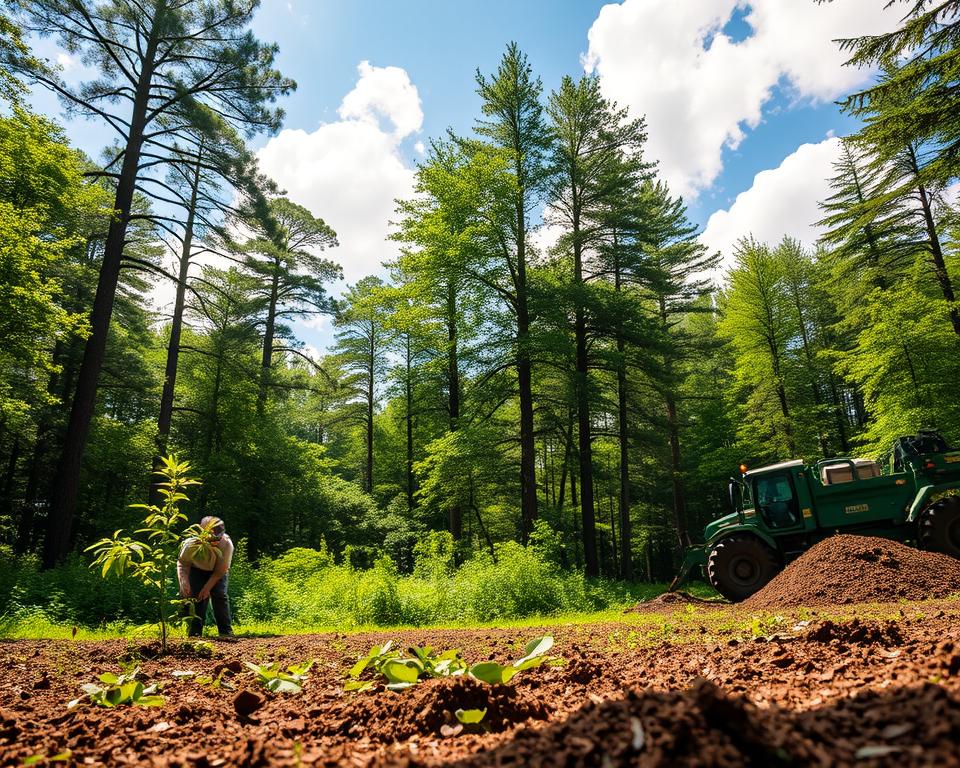
Tx13

Evaluating Your Site’s Needs

Understanding your property’s particular requirements is essential for a effective land clearing project. The size of the area and its intended use will greatly influence the choice of land clearing method.

For instance, building projects that require base laying will necessitate more heavy‑duty methods like bulldozing and grubbing. In contrast, farming or residential projects might only require lighter methods such as bush hogging or mulching.

Defining Practical Timelines and Budgets

Crafting a feasible project timeline and budget is essential. Many factors can influence the duration and cost of your land clearing project, including property size, vegetation density, and weather conditions.

  • Realistic project planning starts with understanding that land clearing timelines vary significantly based on property size, vegetation density, and weather
  • Budget considerations should include not just the clearing itself, but also disposal fees, permit costs, and potential remediation work
  • Consider seasonal timing – clearing during dry seasons is often more efficient but may entail higher demand and pricing
  • Include contingency time and funds into your plan to account for unexpected discoveries like rock formations or environmental issues
  • Think about phasing your clearing project if budget constraints or seasonal factors make it impractical to clear the entire property at once
  • Consult with multiple land clearing professionals to get varied quotes and timeline estimates before finalizing decisions
  • Remember that the least expensive option isn’t always the most cost-effective in the long run – skilled work prevents future problems

Optimal Land Clearing Methods and Approaches

Bulldozing and Grubbing

Bulldozing and grubbing require using heavy-duty machinery to remove trees, stumps, and debris. This method is efficient for large areas with dense vegetation.

Mulching and Woodland Mowing

Mulching and woodland mowing use specialized mowers to cut and shred vegetation into mulch. This approach is beneficial for managing large areas with heavy undergrowth.

Chop and Grind Approach

The cut and grind approach combines cutting trees and grinding stumps into a single process. It’s an effective way to clear land while creating valuable mulch.

Brush Clearing for Minor Vegetation

method for managing large areas of overgrown grass, weeds, and light brush. It uses a heavy-duty rotary mower attached to a tractor to cut vegetation at or slightly above ground level. This technique is particularly useful for maintaining open land and stopping the spread of invasive plants.

  • Bush hogging is ideal for sites with grass, weeds, and light brush
  • It leaves root systems intact, avoiding soil erosion
  • This method is economical for large open areas or agricultural land preparation

Essential Equipment for Land Clearing

The type of equipment required for land clearing differs significantly based on terrain and vegetation. Depending on vegetation size and the site, various logging tools and equipment such as mulchers, brush mowers, wood plows, and even bulldozers may be required.

Heavy Machinery Options

Large equipment is often required for large-scale land clearing projects. Bulldozers are commonly used for their ability to push and clear large amounts of soil, trees, and other debris. Tractors equipped with various attachments can also be highly effective.

Custom Tools for Different Terrain Types

Different terrain types require specialized tools to ensure effective clearing while minimizing environmental impact. For instance, forestry mulchers are ideal for wooded areas, converting trees and brush into mulch in a single operation. Brush cutters and rotary mowers are better suited for areas with dense undergrowth but minimal tree coverage.

Specialized attachments for standard equipment, like root rakes for bulldozers, can improve efficiency. For rocky or uneven terrain, equipment with tracks rather than wheels provides better stability and traction. In wetland areas, low-ground-pressure equipment is essential to avoid soil compaction and environmental damage.

Safety and Environmental Concerns

Effective land clearing is a blend between meeting project goals and upholding a safe working environment while minimizing harm to the environment.

Ensuring Worker Safety

Worker safety is critical during land clearing operations. This involves proper training, use of personal protective equipment, and adherence to safety protocols to mitigate risks associated with heavy machinery and falling debris.

Minimizing Environmental Impact

Land clearing must be done in a way that minimizes environmental impact. This includes assessing the area for sensitive ecosystems and taking steps to protect them, such as relocating wildlife or avoiding certain areas altogether.

Permit Requirements

Managing permit requirements is crucial before clearing land to avoid fines and delays. Regulations may limit clearing based on lot size, proximity to waterways, or presence of protected species. Professional land clearing companies can assist with permit applications and ensure compliance.

Professional Land Clearing Services with Bronco Land Clearing

Overhauling landscapes with accuracy, Bronco Land Clearing offers comprehensive land clearing services tailored to diverse project needs. With years of specialized experience, the company handles projects ranging from residential lots to large-scale commercial developments.

Bronco Land Clearing’s comprehensive services include site assessment, permit assistance, vegetation removal, stump grinding, and final grading. Their modern fleet of equipment effectively tackles diverse terrain and vegetation types while minimizing environmental impact.

The company’s commitment to safety, compliance, and quality ensures that projects are completed to high standards. By working closely with clients, Bronco Land Clearing delivers reliable results for construction and development projects, making them a trusted land clearing company in the industry.
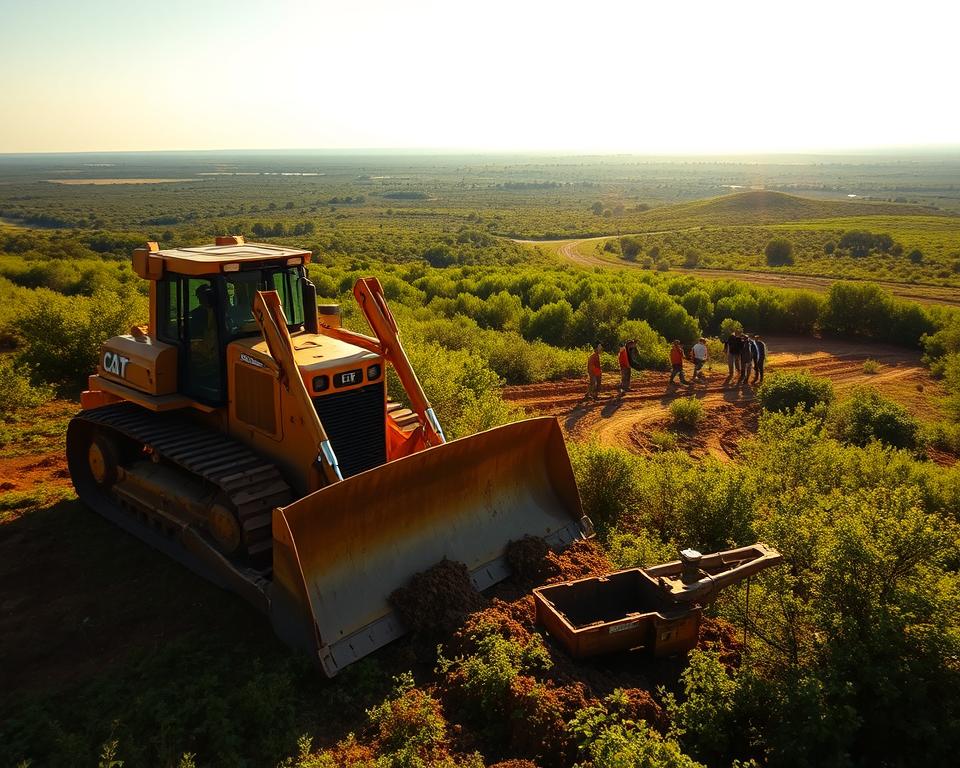
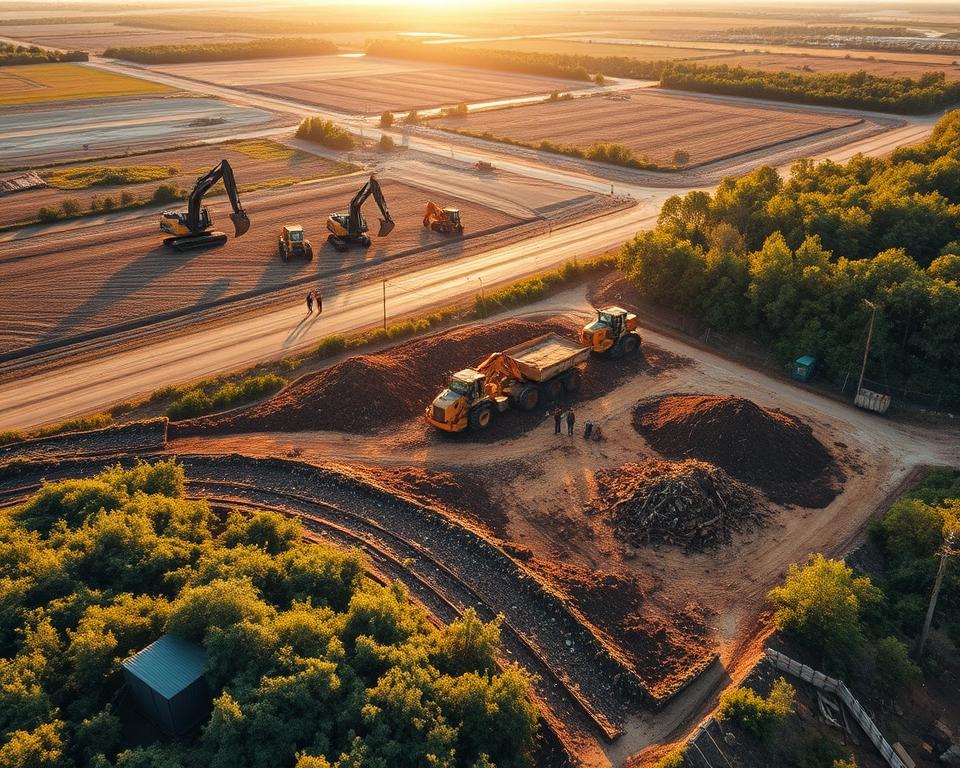
The Benefits of Hydraulic Mulching in Texas Land Clearing Projects

Hassle-Free Texas Land Clearing for Your Premises

Were you aware that over 67% of landowners in Texas have embarked on land clearing projects to enhance their property’s market value? As the demand for new building projects and garden design solutions surges, selecting professional Texas land clearing services is more vital than ever. Efficient land clearing can change raw land into bustling spaces for homes, commercial ventures, and recreational areas. With Texas land clearing services solutions, you can open up development prospects while guaranteeing a stress-free process.

Resorting to professional land clearing services simplifies the project and brings the proficiency needed to manage Texas’s terrain complexities. Whether you’re preparing for a new build or seeking to improve your landscape, understanding the importance and merits of professional services is crucial.

Principal Conclusions

  • In excess of 67% of Texas estate managers take advantage of land clearing services to improve their property value.
  • Expert land clearing services streamline preparing land for construction and landscaping.
  • Speedy land clearing services eliminate stress while saving valuable time during project completion.
  • Expertise in Texas’s unique terrain complexities is crucial for successful land clearing.
  • Understanding the benefits of land clearing can significantly boost your property’s value effectively.

Grasping Texas Land Clearing

In Texas, comprehending the significance of land clearing is essential for property management. This procedure is not just about readying the land for different functions. It also guarantees your property is safe and operational.

The Significance of Land Clearing in Texas

The role of land clearing in Texas is enormous. It’s the initial step for new developments like residences, business structures, and community spaces. By clearing the land, it becomes set for construction and other operations. Without it, the chance of perils like falling limbs or concealed remnants increases. This can compromise both safety and functionality.

Common Reasons for Land Clearing

Property owners have various causes to consider land clearing. These encompass:

  • Forming secure areas without obstructions
  • Enhancing land utility for farming or leisure purposes
  • Improving the visual allure to attract potential buyers or renters
  • Readying land for essential infrastructure like roads and services

Texas Land Clearing Services Available

Texas land clearing services present crucial alternatives for diverse property needs. It’s critical to know the range of services to guarantee the success of any land project. Whether you’re setting a site for building or upgrading your surroundings, selecting the right service is fundamental.

Service Varieties

Several dedicated alternatives are offered within the field of Texas land clearing services. These serve diverse requirements:

  • Forestry Mulching: This process grinds down brush and undergrowth into mulch, improving soil fertility.
  • Shrub Clearing: This service eradicates excessive underbrush and minor trees, opening up space for construction or leisure activities.
  • Terrain Grading: Experts grade the land to guarantee adequate drainage and prepare for development.
  • Debris Removal: This service focuses on disposing of debris remaining from previous land usage, providing a fresh start.

Beneficiaries of Land Clearing Services

A diverse group of stakeholders can profit from land clearing services. Estate managers looking to enhance their land for residential or agricultural use regard these services as essential. Construction firms also find major advantages, as land clearing lays the groundwork for new developments. Local governments that need to clear land for public green spaces or infrastructure projects also gain from professional Texas land clearing services. This ensures developments comply with local requirements and norms.

Benefits of Professional Land Clearing

Utilizing professional land clearing services provides notable perks, particularly with respect to time and cost. Skilled experts in this area render the process both time and cost-effective. They grasp the complexities involved and result in a more streamlined approach. This method reduces project duration while enhancing property value.

Tx

Optimized Time and Expense

Expert land clearing services substantially boost time efficiency. Experienced teams employ advanced technology and strategies to accelerate the operation. This saves time and cuts expenses as well, making it a wise decision for land development needs.

The investment in budget-friendly land clearing yields benefits through lower labor costs and rapid job finishing. It’s a wise decision for your land development projects.

Specialized Knowledge in the Texas Setting

The distinctive landscape and environmental characteristics of Texas require proficiency in land clearing. Specialists possess the skills to managing local laws and natural challenges. Their experience guarantees compliance with environmental guidelines while attaining desired outcomes for your property.

Working with well-informed contractors ensures a fruitful land clearing process customized for Texas sceneries. Their proficiency delivers a project that meets the particular needs of Texas environments.

Texas Land Clearing Machinery and Tools

The effectiveness of land clearing in Texas relies on advanced technology and environmentally friendly practices. Utilizing state-of-the-art texas land clearing machinery ensures projects are done quickly and effectively. This accommodates different terrains and floral varieties. Advanced equipment enhances efficiency and supports responsible sustainable practices.

Modern Machinery and Technology

In Texas, modern land clearing technology encompasses a range of powerful equipment for diverse tasks. Heavy excavators, dirt pushers, and stump grinders are essential tools. They boast high-performance engines and precision tools for rapid land clearing.

These equipment handle considerable quantities of debris and vegetation. They are vital for land clearing services.

Environmentally Conscious Strategies

The focus on eco-friendly land clearing techniques has expanded. Vegetation Mulching is increasing in use for its low environmental impact. This technique reduces soil disturbance and protects native wildlife ecosystems.

By adopting eco-friendly land clearing strategies, contractors demonstrate their commitment to environmental responsibility. They confirm their projects preserve the ecosystem, not harm it.

How to Find Dependable Texas Land Clearing Experts

Choosing the best land clearing contractor in Texas is vital for the success of your venture. Evaluate the company’s standing, the variety of services they deliver, and testimonials from former customers. Look for key attributes like proper licensing, adequate insurance, and experience with local land conditions. This confirms you get trustworthy land clearing services.

What to Look for in a Land Clearing Company

When searching for land clearing contractors in Texas, concentrate on these important factors:

  • Expertise: Choose contractors with a history of success and experience with Texas’s specific terrain and legal requirements.
  • Proper Licensing and Coverage: Ensure they have the appropriate licenses and current insurance to safeguard against risks.
  • Service Offerings: Verify they deliver a comprehensive array of services to meet various clearing needs.
  • Tooling Standards: Opt for companies operating modern machinery for better efficiency and minimized environmental harm.
  • Testimonials: Check testimonials from past customers to gauge their approval and service standard.

Key Questions for Land Clearing Contractors

Inquiring appropriately ensures you hire the right land clearing specialists. Consider these inquiries:

  • How do you approach land clearing?
  • What machinery will be employed for my project?
  • What steps do you take to meet local laws and eco-standards?
  • How long will the project take?
  • What is your strategy for unexpected issues during land clearing?

The Process of Texas Land Clearing

In Texas, land clearing is a thorough process with multiple key steps. It’s engineered to prepare a site effectively. Grasping this procedure ensures estate managers fulfill their visions. It starts with a preliminary consultation and assessment, identifying obstacles and assessing the land’s specific characteristics.

Initial Consultation and Site Evaluation

At the start, you’ll converse about your plans with land clearing experts. This lays the groundwork for what’s to follow. Next, a detailed site evaluation is undertaken. It looks at vegetation, soil, and water sources, ensuring compliance with local laws. Collaborating with professionals at this phase enhances the land clearing outcome.

Implementation of the Land Clearing Process

With a strategy in hand, the land clearing job can commence. Specialists utilize advanced machinery for various terrains and greenery. They may use mulching, removing roots, or shredding methods, depending on your requirements. This step converts the site, making it suitable for development or aesthetic enhancement, ensuring a expert land clearing.

Service Coverage for Texas Land Clearing

Texas’s varied environment requires tailored land clearing services across the state. These services serve urban expansions and rural transformations, meeting each area’s specific requirements. Being aware of service coverage lets you choose the optimal solution for your property.

Coverage Across Texas Counties

Land clearing services cover all Texas counties, delivering customized options. Each county’s rules and ecological factors shape these services. Below are some examples:

County Offered Solutions Regional Land Clearing Expertise
Travis City Lot Land Clearing Expert in urban applications
Harris Clearance and Grading Focuses on large-scale commercial projects
Smith Agricultural Land Clearing Expertise in agricultural land clearing
Dallas Domestic Land Clearing Expert in residential applications

Area-Specific Land Clearing Expertise

Some Texas regions have evolved specialized land clearing services. These services are tailored to their specific natural characteristics. It’s crucial to locate a provider with the right experience for your requirements:

  • East Texas: Known for lush forests, emphasizing eco-friendly techniques.
  • West Texas: Adapts to arid conditions with effective strategies.
  • Central Texas: Balances urban and rural needs through adaptive strategies.

Customer Testimonials and Success Stories

In Texas, the true value of land clearing services is clearly demonstrated by the stories from those who’ve benefitted from them. Actual testimonials reveal how quality work and fast turnaround can dramatically change a property. Here, we share customer testimonials that demonstrate the advantages these services have had on various clients.

Genuine Feedback from Happy Customers

“The experts were exceptionally diligent and skilled. They completed the project faster than I expected, and the outcome was beyond my expectations!”

“After hiring a local service, I was amazed at how quickly they cleared my land. It’s now set for my new residence, and I couldn’t be happier!”

“Their skill has transformed my property to a state of unparalleled beauty. I strongly endorse their work to anyone needing land clearing. It’s a real success story!”

These testimonials reinforce the dedication to customer satisfaction and reliability. Whether it’s a home project or a commercial project, the reviews consistently shows happy clients enthusiastic about their results.

Bringing It All Together

Opting for professional Texas land clearing services brings a multitude of advantages to estate managers. It readily readies your land for various uses, guaranteeing a stress-free experience. This lays the groundwork for future development.

The overview of Texas land clearing proves that professional knowledge simplifies the process. It also confirms compliance with eco-standards, essential for environmental protection. By choosing certified contractors, you achieve improved property value and efficient use of land.

When planning your property’s future, consider the advantages of professional land clearing. It fosters community development while respecting the natural environment. Selecting experienced services will ensure a project customized for your specifications.

How to Replant After Land Clearing in Farmersville

Forestry Mulching: Advantages and Top Methods

Did you know forest mulching can diminish land clearing time by up to 75%? This figure highlights the effectiveness of forestry mulching. It does not just eliminates unwanted vegetation but additionally enhances ecological health. By turning vegetation into mulch, it offers several benefits, including better soil quality, less erosion, and increased biodiversity.

While land management advances, knowing the optimal forestry mulching practices is crucial. This is essential for landowners and ecologists pursuing sustainable outcomes.

Key Insights

  • Forestry mulching can greatly simplify the land clearing process.
  • This approach boosts ecological sustainability and soil health.
  • Understanding best practices matters most for efficient forestry mulching.
  • Reduces erosion and supports plant growth through nutrient cycling.
  • Woodland mulching decreases the carbon footprint versus traditional clearing methods.

Comprehending Forestry Mulching

Forestry mulching serves as a land management approach that shreds vegetation into mulch, returning it to the soil. It removes land and enriches the earth with organic material, enhancing soil health. This technique is powerful and sustainable.

Process Definition

Forest mulching entails using powerful machinery to chip vegetation into small particles. This method eliminates the need for burning or removing debris, making it a environmentally friendly option. The machinery functions efficiently, minimizing soil disturbance and protecting existing flora while enhancing the ecosystem.

Tools and Machinery

Effective mulching services utilize various forestry equipment. Forestry mulchers, designed for attachment to skid steers, excavators, and tractors, are key. These machines, fitted with advanced technology, provide land is cleared swiftly and sustainably. The selection of equipment is critical to the mulching process’s success.

Equipment Type Function Advantages
Forestry Mulcher Grinds vegetation Reduces debris and enriches soil
Skid Steer Loader Mobility in tight spaces Flexible and efficient in small areas
Excavator Robust land clearing Extremely efficient for larger projects
Tractor with Mulcher Attachment Wide area coverage Productive for open fields

Tx32

Upsides of Forestry Mulching

Forest mulching provides numerous perks for both the environment and the economy. It greatly contributes to environmental conservation and delivers economic gains for landowners and operators. This approach efficiently manages land, addressing various challenges at once. It stands out as a valuable approach in the field.

Eco Benefits

Forestry mulching improves soil fertility, a crucial environmental benefit. As mulch breaks down, it releases nutrients to the soil, fostering healthier ecosystems. This process is critical for sustaining plant life through nutrient cycling.

The mulch layer also limits soil erosion, a major issue in deforested or disturbed areas. It secures the soil and reduces run-off, serving an essential function in maintaining land integrity.

Cost Advantages

From an economic standpoint, forest mulching provides significant cost savings. It combines several land management tasks into one, reducing labor and machinery costs. This simplifies land clearing and maintenance, leading to increased efficiency.

Over time, landowners can observe substantial reductions in project costs. This enhances the economic viability of their land management strategies.

Soil Enrichment

Forest mulching serves a crucial role in boosting soil health. It does so through nutrient cycling, where organic matter nourishes the soil with vital nutrients. This improves the soil, supporting plant life and fostering a thriving ecosystem. Proper mulching techniques improve soil structure and increase microbial activity, key for long-term sustainability.

Nutrient Cycling through Decomposition

The decomposition of mulch is essential to nutrient cycling. Microorganisms decompose organic materials, releasing essential nutrients like nitrogen, phosphorus, and potassium. This makes nutrients accessible to plants, promoting healthy growth and soil health. Healthy soil retains moisture better and supports diverse plant species, increasing biodiversity.

Keeping Soil Intact

Forest mulching also prevents soil erosion. The mulch layer protects the soil from wind and rain, stopping erosion. By covering the land, mulching minimizes runoff and maintains soil integrity. This protection is essential for maintaining the ecosystem and ensuring the landscape remains vibrant and productive.

Efficiency and Time Savings

Forest mulching serves as a game-changer in land management, prioritizing efficiency and saving time. It renders land clearing faster by combining several tasks into one. This approach reduces the time needed to get a site ready.

Rapid Clearing

Forestry mulching renders land clearing fast and simple. Unlike conventional methods that require different machines for each step, this method handles everything at once. It reduces the need for labor and equipment, accelerating projects and minimizing environmental harm.

Cost-Effectiveness Compared to Traditional Methods

Forestry mulching is not just fast; it’s also cost-effective. It reduces on labor and equipment costs by streamlining processes. This means lower expenses for landowners, making it a great choice for big areas or complex projects.

Vegetation Management Strategies

Proper vegetation management involves keeping ecosystems healthy. It’s key to control invasive species and support native plants. These steps matter most for preserving biodiversity and achieving environmental balance.

Controlling Invasive Species

It’s critical to manage invasive species to protect native ecosystems. These invasive plants can crowd out local flora, causing biodiversity loss. Forestry mulching helps by grinding up these invaders, enabling native plants to take back their space.

This method limits the need for herbicides, promoting a greener environment.

Promoting Native Plant Growth

Forest mulching aids native plant growth by enhancing their living conditions. The mulch enriches the soil, retains moisture, and keeps weeds at bay. As it decomposes, it provides nutrients and creates a natural habitat for wildlife.

By adopting these practices, we enhance vegetation management and support ecosystem restoration.

Eco Preservation Through Mulching

Forestry mulching emerges as a key player in environmental conservation. It not only aids in land clearing but also significantly contributes to reducing carbon footprints and conserving biodiversity. This sustainable approach merges ecological responsibility with effective land maintenance.

Carbon Reduction

Forest mulching provides substantial advantages in lowering carbon emissions from traditional land clearing methods. Unlike standard methods, which rely on heavy machinery that pollutes, forestry mulching uses specialized, eco-friendly equipment. This reduces environmental impact. The organic residue left behind acts as natural mulch, helping with carbon capture and improving soil quality.

Wildlife Support

Forestry mulching also plays a critical role in biodiversity conservation. It manages land sustainably, protecting essential vegetation. This approach encourages the growth of native plant species, creating a balanced ecosystem. The reduced soil disturbance benefits wildlife, supporting their habitats and contributing to the overall health of landscapes.

Optimal Mulching Practices

Effective forestry mulching demands meticulous site preparation and the correct equipment selection. Proper site preparation boosts mulching efficiency and ensures successful vegetation management outcomes.

Site Preparation Techniques

Effective site preparation matters most for achieving top results in forestry mulching. Techniques include:

  • Removing oversized vegetation that may impede the mulching process.
  • Using chemical treatments to manage harmful species that compete with native plants.
  • Performing soil assessments to understand pre-existing conditions and make informed decisions.
  • Building access paths to facilitate the transport of mulching equipment.

Picking the Best Machinery

Selecting the appropriate mulching equipment is critical based on terrain and vegetation types. Considerations include:

  • The thickness and height of the vegetation to be mulched.
  • The terrain type, which may need specialized machinery for uneven or rugged landscapes.
  • Horsepower requirements to ensure efficiency and effectiveness during operation.
  • Upkeep and availability of service for the selected equipment.

Safety Considerations in Forestry Mulching

Guaranteeing safety in forestry mulching matters most to protecting workers and machinery. Proper training for operators is essential. It helps them understand equipment and safety protocols, minimizing accident risks. Using personal protective equipment (PPE) also reduces injury chances and enhances emergency response.

Operator Prep

Comprehensive training programs are essential for operators in forestry mulching. These programs should cover several key areas:

  • Understanding machinery functions
  • Identifying hazards associated with forestry mulching
  • Following safe operating procedures
  • Wearing personal protective equipment

Wearing appropriate PPE, such as helmets, gloves, and eye protection, is critical. Each piece of PPE serves to protect against specific mulching risks.

Upkeep and Inspection

Regular equipment maintenance is vital for the reliability and safety of forestry mulching machinery. Maintenance procedures should include:

  • Routine checks of hydraulic systems and blades
  • Monitoring engine performance and fuel levels
  • Verifying safety features are functioning correctly
  • Performing thorough inspections before and after operations

Following maintenance schedules helps prevent malfunctions, enhancing safety in forestry mulching. A dedication to rigorous equipment maintenance ensures a productive and secure work environment.

Applications of Forestry Mulching in Land Management

Forestry mulching is a key tool in land management, assisting in various applications that enhance environmental and economic benefits. It’s versatile, supporting land restoration and playing a big part in fire prevention. This method manages vegetation well, leading to healthier ecosystems and lower wildfire risks.

Land Restoration Projects

In land restoration, forestry mulching helps remove invasive species and weeds. These can damage native plants. It nourishes the soil, making it better for desired plants to grow. This leads to more biodiversity and sustainable ecosystems.

Wildfire Mitigation

Forestry mulching is also great for fire prevention. It removes dense vegetation that can start wildfires. This creates safe spaces around properties and key infrastructure. It reduces fire risk and encourages native plants to grow back.

In Closing

Forestry mulching emerges as a versatile and eco-friendly land management approach, bringing numerous benefits. It not only improves soil health but also greatly reduces wildfire risks. This method supports diverse ecosystems, making it a essential choice for landowners and organizations.

This method combines environmental sustainability with economic efficiency, appealing to those aiming to improve their landscapes. It maintains ecological balance while being a cost-effective solution for clearing unwanted vegetation. This promotes native species and improves land quality. As adoption grows of forestry mulching, healthier and more resilient ecosystems become a reality.

Adopting forestry mulching solves immediate land management issues and benefits the environment in the long run. Each application brings us closer to a sustainable future. It ensures that both current and future generations can enjoy the fruits of a well-managed landscape.